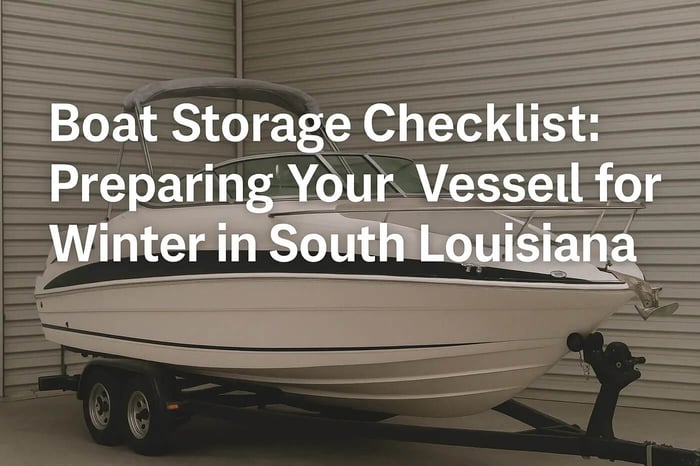
Boat owners in South Louisiana – including areas like Prairieville, Gonzales, Baton Rouge, and Ascension Parish – face unique challenges when winter approaches. Unlike the frozen lakes up north, our winters are relatively mild, but they come with high humidity, heavy rainstorms, and the occasional overnight freeze. This guide will walk you through a step-by-step winterization checklist to prepare your boat for winter storage in South Louisiana’s climate. It’s 95% educational tips and best practices – with a helpful, expert tone – so you can protect your vessel without feeling like you’re reading a sales pitch.
What Challenges Does South Louisiana’s Climate Pose for Boat Storage?
Do You Need to Winterize Your Boat in Louisiana’s Mild Winter?
How Do You Prepare a Boat for Winter Storage in South Louisiana?
- Clean Thoroughly and Remove All Water: Give your boat a deep cleaning inside and out, and make sure it’s completely dry before storage. Wash the hull to remove grime, algae, and salt (salt is very corrosive if left over winter). Clean out the interior, including carpets or upholstery, and remove any trash or perishables that could cause odors. Drain all water from the boat – pull the drain plug to empty bilges, live wells, or any storage compartments that collect water. Any water left in the boat can freeze and expand (up to ~9% in volume) during a cold snap, which is enough to crack engine blocks or damage fiberglass. Plus, standing water in our humid climate will invite mold and mildew. Dry everything thoroughly to reduce moisture. (Tip: Leave cabinet and compartment doors open for a few days to air out, or use towels/air blowers to ensure no dampness remains.)
- Inspect and Fix Any Issues Now: Take time to inspect your boat for any problems before you store it. Walk around and check the hull for cracks, blisters, or scratches. Look at the propeller for dings and the gelcoat/paint for any damage. If you find anything, address it now – it’s much better to fix cracks, worn hoses, or loose fittings in the off-season than to discover them in spring. For example, repairing small fiberglass chips or touching up paint and applying a coat of wax now will protect the finish over winter. Also inspect your boat cover, straps, and trailer (if you have one) for any wear. Fixing or replacing worn parts (like frayed tie-down straps or a leaky cover) ahead of storage ensures problems won’t worsen over the winter.
- Treat and Stabilize Your Fuel: Gasoline can degrade over time, and condensation can form in a half-empty tank – especially with Louisiana’s temperature swings. To prevent this, fill your fuel tank to about 95% (leaving a little room for expansion) and add a marine fuel stabilizer at the proper ratio. A full tank minimizes air space where condensation could form, and the stabilizer keeps the gasoline from breaking down or varnishing. After adding stabilizer, run the engine for a few minutes (either on the water or using ear muffs on the outboard) to circulate the treated fuel through the engine and fuel lines. This will protect your fuel system and make sure the engine starts up smoothly next season.
- Protect the Engine (Cooling System & Oil): Your engine is the heart of your boat, so give it some TLC before storage. First, flush the engine with fresh water to remove any salt, mud, or impurities (this is especially crucial if you boat in brackish or saltwater). Next, change the engine oil and oil filter. Old oil contains contaminants like water and acids that can corrode internal parts if left sitting for months. Fresh oil over the winter will prevent corrosion inside the engine. Now address the cooling system: drain any water from the engine’s cooling passages to prevent freeze damage. If you have an outboard motor, this is easy – simply store it in the down/vertical position so all water drains out of the lower unit and engine block (outboards don’t usually retain water when vertical). For inboard or sterndrive engines, you’ll need to open the drain plugs on the engine block and manifolds to let water out, and/or run non-toxic marine antifreeze through the engine. (Many inboards require you to pour pink propylene glycol antifreeze into the cooling system after draining, to ensure no water pockets remain.) This step is critical: a little antifreeze can save your engine from cracks if we hit a hard freeze. Finally, consider fogging the engine if recommended – spraying fogging oil into the intake and cylinders will coat internal parts to prevent rust during long storage (particularly useful if you don’t plan to start the engine at all during winter).
- Take Care of the Battery: Batteries can suffer if left unattended in storage. First, fully charge your boat’s battery and then disconnect it (negative cable off first) to prevent any slow drain. It’s often best to remove the battery from the boat entirely and store it in a cool, dry place (like your garage or a storage room) where it won’t freeze. A battery stored on a concrete floor is fine, but placing it on a wood plank can help keep it off cold damp ground. Over the winter, check the battery charge periodically; you may want to use a maintenance charger (trickle charger) to keep it topped up. Proper battery care will ensure you aren’t greeted with a dead battery when you’re ready to hit the water again.
- Prevent Moisture and Mold: Our humid Southern Louisiana air is a boat’s enemy during storage. After cleaning and drying the boat, take extra measures to control moisture inside. Mildew can form quickly in closed compartments, so prop open any hatches, cabinets, or compartments to allow air circulation. You might place moisture absorbers or desiccant products (like DampRid or silica gel packs) in the cabin and storage areas to suck up excess humidity. Ventilation is key: if your boat is covered, consider a cover support pole or vented cover material that allows airflow. Never seal your boat up air-tight with no ventilation – trapped Louisiana humidity can condense and encourage mold. A breathable boat cover (or small vents in the shrink-wrap, if you shrink-wrap the boat) will let moisture escape. It’s also smart to spray down vinyl seats and surfaces with a mildew inhibitor or a light vinegar/water solution before storage, to inhibit mold growth. By taking these steps, you’ll avoid opening your boat in spring to find a moldy, musty mess.
- Prep the Trailer and Tires (If Applicable): If you trailer your boat, don’t neglect the trailer when storing your boat for winter. Start with a thorough rinse of the trailer frame (especially if it’s been in saltwater) and inspect the lights, wiring, and winch for any issues. Grease the wheel bearings if they’re due service (to prevent moisture and corrosion in the hubs over winter). For the trailer tires, check the pressure and inflate to the recommended PSI – tires naturally lose some air over time. To avoid getting flat spots on the tires from sitting in one place, consider moving the trailer a few inches every few weeks or, better yet, jacking the trailer up on blocks to take weight off the tires. If you have the means, you could even remove the wheels and store them indoors, but this isn’t necessary for a 2-3 month winter storage. At minimum, use tire covers or even a tarp to shield the tires from direct sunlight and UV damage while parked. UV rays can dry out rubber and cause cracking, so covering the tires helps them last longer. Lastly, ensure the trailer tongue, hitch, and locks are secure – you might put a light coat of grease on the hitch and leaf springs to fend off rust. A little trailer prep now will ensure you can tow your boat safely when you’re ready to boat again.
- Cover and Store Your Boat Properly: Finally, cover your boat and set up ideal storage conditions for the winter. Use a high-quality, fitted boat cover or tarp that’s in good condition (no tears). Secure it tightly so that wind can’t get underneath – Louisiana can get strong winter storms, and you don’t want your cover blowing off in a gale. If using a tarp, support it with bows or a frame so water doesn’t collect and stretch it; you want rain to run off easily. Breathability is important: make sure the cover isn’t 100% air-tight against the boat. Leave a few small gaps or use a vented cover to allow airflow – this prevents that dreaded condensation that can cause corrosion and mildew under the cover. Now, choose your storage location wisely. Ideally, store the boat under a roof or indoors. Options include a carport, a dedicated boat storage facility, or even a fully enclosed storage unit. The goal is to keep the boat out of direct rain, sun, and temperature extremes. If you can store in a climate-controlled indoor storage, that’s the gold standard – it will maintain stable temperature and humidity, protecting your boat’s interior and electronics. But even an open-sided covered storage area or a well-secured backyard spot with a tarp is better than nothing. Wherever you store, ensure the ground drains well (no standing water around the boat), and try to park on a concrete pad or gravel rather than bare soil (to reduce moisture from below). Chock the trailer wheels, take off any removable valuables (electronics, fishing gear), and your boat is all set for its winter slumber.
Covered vs. Enclosed Boat Storage: What’s the Difference?
- Covered Storage – This usually means a roof over your boat (like a carport or canopy) but with open sides. Covered storage will shield your boat from direct rain, sun, and falling debris, which helps prevent UV damage (faded paint, cracked upholstery) and water intrusion. It’s also generally more affordable than enclosed storage. However, covered storage does not fully protect from heavy wind-driven rain or humidity. In a strong storm, wind can blow moisture under a canopy. And since the sides are open, your boat is still exposed to the damp air, critters, and some dust. Security is a bit lower too (people could potentially access the boat). In short, covered storage is a good basic level of protection but has limitations in extreme weather and moisture control
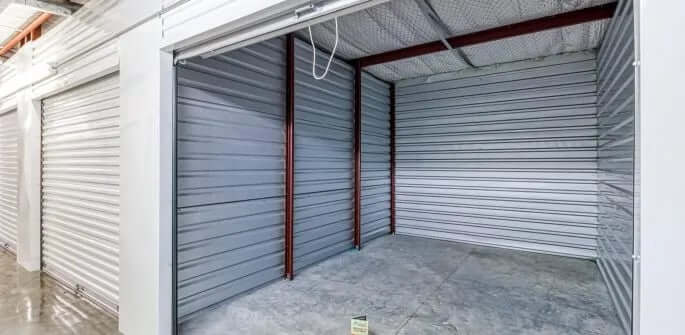
- Enclosed Storage – This means your boat is in a fully enclosed space, like a garage-style storage unit or warehouse. Enclosed storage provides the highest level of protection. Your boat is essentially indoors – safe from sun, rain, wind, and almost any weather. This greatly reduces the risk of weather-related damage. Enclosed units often have better security (locked doors, maybe alarmed facilities), giving peace of mind against theft or vandalism. Many enclosed storage facilities in the Baton Rouge area even offer climate-controlled units, which can regulate temperature and humidity for ultimate protection. This is ideal in our humid climate: a climate-controlled enclosed space will prevent moisture buildup, mold, and even the slight risk of freezing on those coldest nights. The downsides? Enclosed storage is usually more expensive, and you’ll need to ensure your boat fits within the unit’s dimensions. Also, access might be a bit less convenient if you have to maneuver into a building or coordinate facility hours.
Frequently Asked Questions about Boat Storage in South Louisiana
Below are some common questions boat owners ask when preparing to store their boats for winter in our region, along with concise answers. This FAQ section is optimized for quick answers (AEO-friendly) while still providing the detail you need.
Q: Do I really need to winterize a boat in Louisiana’s climate?
Q: How can I prevent mold and mildew on my boat during winter storage?
Q: Is it better to store my boat indoors or is covered outdoor storage enough in South Louisiana?
Q: How often should I check on my boat while it’s in storage for the winter?
Q: When should I winterize my boat in South Louisiana?
Q: What are the ideal conditions for storing a boat over winter?
By following this checklist and guidance, you’ll be treating your boat to the care it deserves during the winter downtime. South Louisiana boaters know that with a little preparation, you can avoid costly damage, prevent headaches, and ensure your vessel is ready to roll when spring returns. Remember, protecting your boat through the off-season is part of being a responsible owner – it’s much easier (and cheaper) to prevent problems now than to fix them later.